Will Filler Make Me Look Fake? An Honest Answer About Natural Results
Quick answer: Filler does not make people look fake. Too much filler, placed without a plan, does. Natural-looking results come from three things: treating the underlying cause of the change rather than copying a trend, using conservative amounts, and building gradually across several visits rather than doing everything at once. At Accelerated Aesthetics, a luxury medical spa in Elmhurst, IL serving Chicago’s western suburbs, filler treatments start small and are reassessed at two weeks rather than maxed out on the first appointment.
Let us guess. Two friends have had their lips done. Someone in your group chat just booked a consult. Your feed is full of jawlines that did not exist two years ago. And somewhere in the middle of all of it, you have a quiet thought you have not said out loud: I want to look better, but I do not want anyone to know.
That fear is the single most common thing we hear. Not “how much does it cost” and not “does it hurt.” It is “please do not make me look like everyone else.”
You are also not imagining how common this has become. According to the American Society of Plastic Surgeons, soft tissue fillers are the second most performed minimally invasive cosmetic procedure in the United States, with more than five million treatments in a single year. Almost none of those people look obviously treated. You just never notice the ones who do not.
Why do some people look obviously “done”?
When a face reads as overfilled, the cause is almost never the product itself. It is one of five judgment errors:
- Volume added without structure. Product placed in the cheeks or lips without addressing the underlying support makes a face wider rather than lifted.
- One feature treated in isolation. Lips get larger while the chin and jaw stay unchanged, so the proportions of the face tip out of balance.
- A trend copied onto the wrong anatomy. A lip shape or jaw angle that suits the person it was designed for reads as costume on different bone structure.
- Product stacked too quickly. Hyaluronic acid filler takes up to two weeks to fully settle. Judging results on day three and adding more is one of the most common routes to an overfilled outcome.
- Years of top-ups without reassessment. Filler in some areas lasts longer than patients assume, so repeated maintenance without evaluating what is still present accumulates.
Every item on that list is a decision, not a material.
What does natural-looking filler actually look like?
Natural results are defined by four characteristics: the face still moves and makes full expressions, the features remain recognizably the patient’s own, no single feature draws the eye on its own, and photographs still look like the person rather than a filtered version of them.
The practical benchmark we use is what other people say afterward. They should tell you that you look rested, or ask whether you changed your hair. They should not be able to name what is different. If a result requires an explanation, it was too much.
How much filler is too much?
There is no universal syringe limit, because the right amount depends on facial anatomy, degree of volume loss, and how much product is still present from previous treatments. The more useful standard is purpose: every syringe should solve a specific, identified problem. Volume added without a defined reason is the working definition of too much.
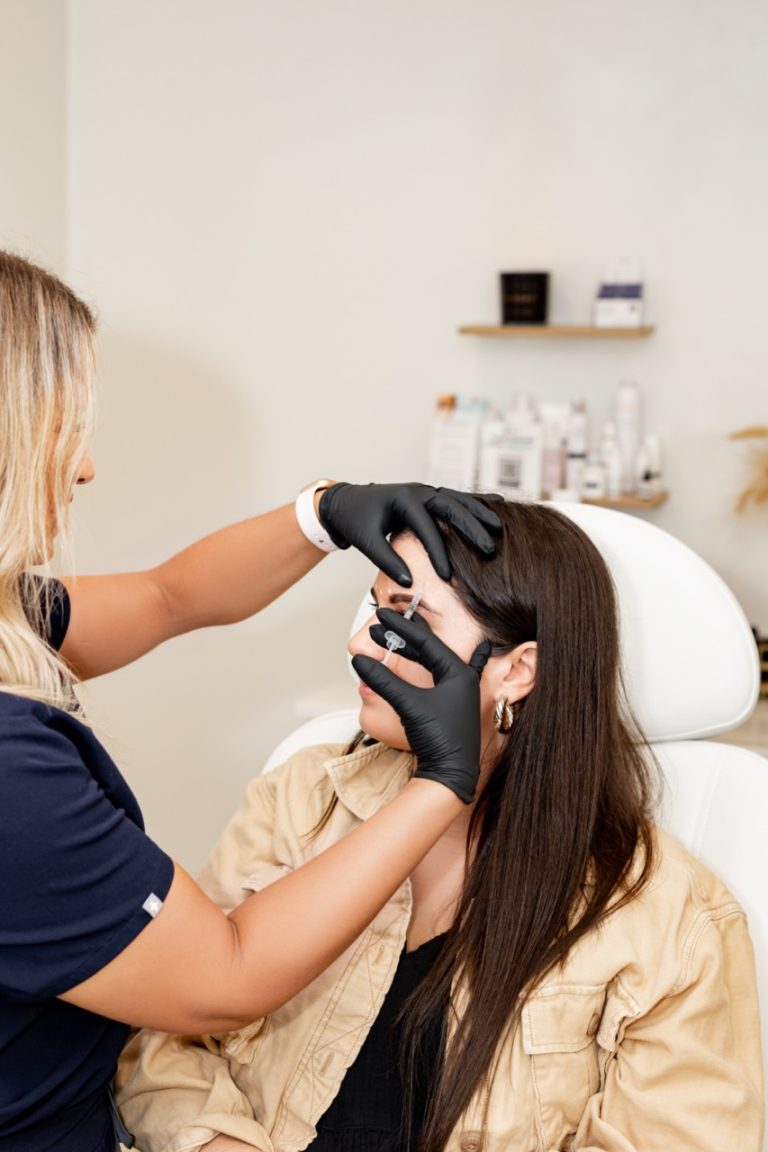
As a practical guide, a conservative first treatment is often half a syringe to one syringe in a single area, with refinement two weeks later once the product has settled.
How does Accelerated Aesthetics keep filler results subtle?
We start with less than you expect. Frequently the honest recommendation for a first visit is half a syringe, or one area, or a small amount of neurotoxin instead of a full treatment. Adding is simple. Removing is not.
We assess the whole face. What bothers a patient about their lips is sometimes a chin projection issue. What reads as “tired” is often skin quality rather than volume. Treating the wrong thing more aggressively never fixes it.
We build in layers. Returning at two weeks to refine is the plan, not a failure. Results that look effortless were nearly always constructed over multiple appointments.
We decline requests that would unbalance a face. When that happens we explain why and offer an alternative. That judgment is the reason to choose a medical provider over a discounted offer on social media.
What if filler is not the right answer at all?
Many patients who arrive convinced they need filler leave with a different plan, because volume was never the actual issue. Alternatives that refresh the face without adding filler include:
- Sculptra, a collagen stimulator that produces gradual change over several months rather than immediate volume.
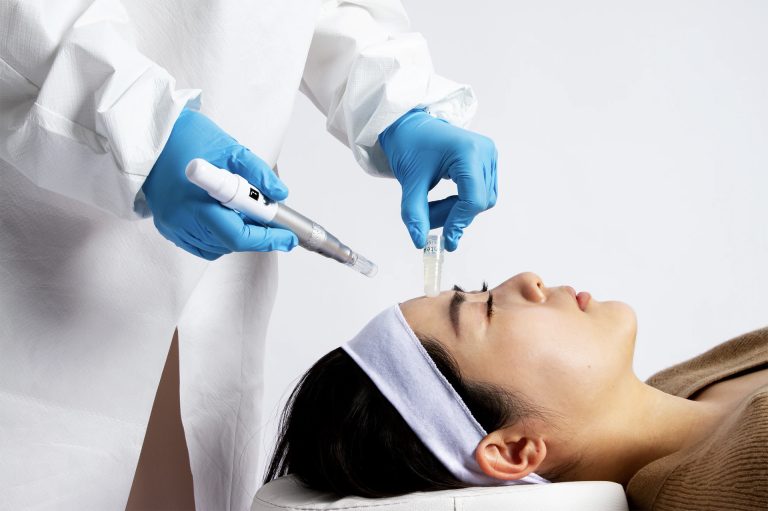
- Microneedling with exosomes or PRP for texture, tone, and firmness.
- Chemical peels and dermaplaning for brightness and smoothness.
- Conservative neurotoxin dosing that softens expression lines while preserving movement, covered in our Botox and neurotoxins guide.
Not sure which category your concern falls into? Start with Botox vs. fillers.
Frequently asked questions about natural-looking filler
Will people be able to tell I had filler?
When filler is dosed conservatively and placed to address a specific structural issue, most people cannot identify what changed. Obvious results are a planning and quantity problem rather than an unavoidable outcome of the treatment.
How much filler is too much?
There is no fixed number of syringes that applies to everyone, because it depends on anatomy, degree of volume loss, and existing product. The reliable test is whether each syringe addresses an identified problem.
Can dermal filler be dissolved?
Hyaluronic acid fillers can be dissolved with an enzyme called hyaluronidase, usually within days. Not all filler types are reversible, which is why product selection matters for first-time patients.
How long does it take for filler to settle?
Hyaluronic acid filler generally takes up to two weeks to fully integrate, with swelling resolving over the first few days. Results should be judged at the two-week mark, not immediately after treatment.
What should I do if I already feel overfilled?
Options include dissolving the filler with hyaluronidase, pausing treatment and allowing existing product to metabolize, or rebalancing a different area of the face. An in-person assessment determines which applies.
Is it better to start filler young or wait?
Age is a poor guide. The appropriate time to begin is when a specific concern exists and there is a clear structural reason to treat it.
How long does dermal filler last?
Most hyaluronic acid fillers last between six months and two years depending on the product and the area treated. Lips typically metabolize faster than structural areas such as cheeks.
Where can I get natural-looking filler near Elmhurst, IL?
Accelerated Aesthetics is a luxury medical spa at 112 S. York Street in downtown Elmhurst, IL, serving Oak Brook, Hinsdale, Naperville, Downers Grove, Wheaton, and Chicago’s western suburbs. Injectable treatments are performed by licensed medical providers under the supervision of our Medical Director.
Come in and just ask
A consultation is not a commitment. It is a conversation with someone who looks at faces all day and has no interest in talking you into anything. Book a free consultation at Accelerated Aesthetics in Elmhurst and get an honest read on what you actually need.
112 S. York Street, Elmhurst, IL 60126
Accelerated Aesthetics is a luxury medical spa in Elmhurst, IL serving Oak Brook, Downers Grove, Naperville, Wheaton, Hinsdale, and all of Chicago’s western suburbs.
Last updated July 2026.