You Probably Don’t Need Surgery: What a Medspa Can Actually Fix
Quick answer: Most of what makes a face look tired comes down to three things: movement lines, lost volume, and skin quality. All three respond to non-surgical treatment, which is why Americans undergo more than ten times as many minimally invasive cosmetic procedures as cosmetic surgeries each year, according to the American Society of Plastic Surgeons. At Accelerated Aesthetics, a luxury medical spa in Elmhurst, IL serving Chicago’s western suburbs, our licensed medical providers identify which of the three is driving your concern and build a conservative plan around it.
Be honest. At some point recently you have looked at a photo of yourself, felt something drop a little, and typed something into your phone that you would not say out loud. Maybe it was a procedure name. Maybe it was just a price.
Here is what almost nobody tells you at that moment: the thing bothering you in that photo is usually not what you think it is, and it is usually far more fixable than you have been led to believe.
What actually makes a face look tired?
Nearly every concern patients bring in falls into one of three categories. Identifying the right one is what determines whether a treatment works.
1. Movement. The vertical line between the brows that reads as irritation, horizontal forehead creases, and crinkling at the outer corners of the eyes are caused by repeated muscle contraction. Botulinum toxin treatment softens them within three to seven days. It is the most performed minimally invasive cosmetic procedure in the United States, with more than nine million treatments annually per the American Society of Plastic Surgeons. Our full neurotoxin guide covers cost and expectations.
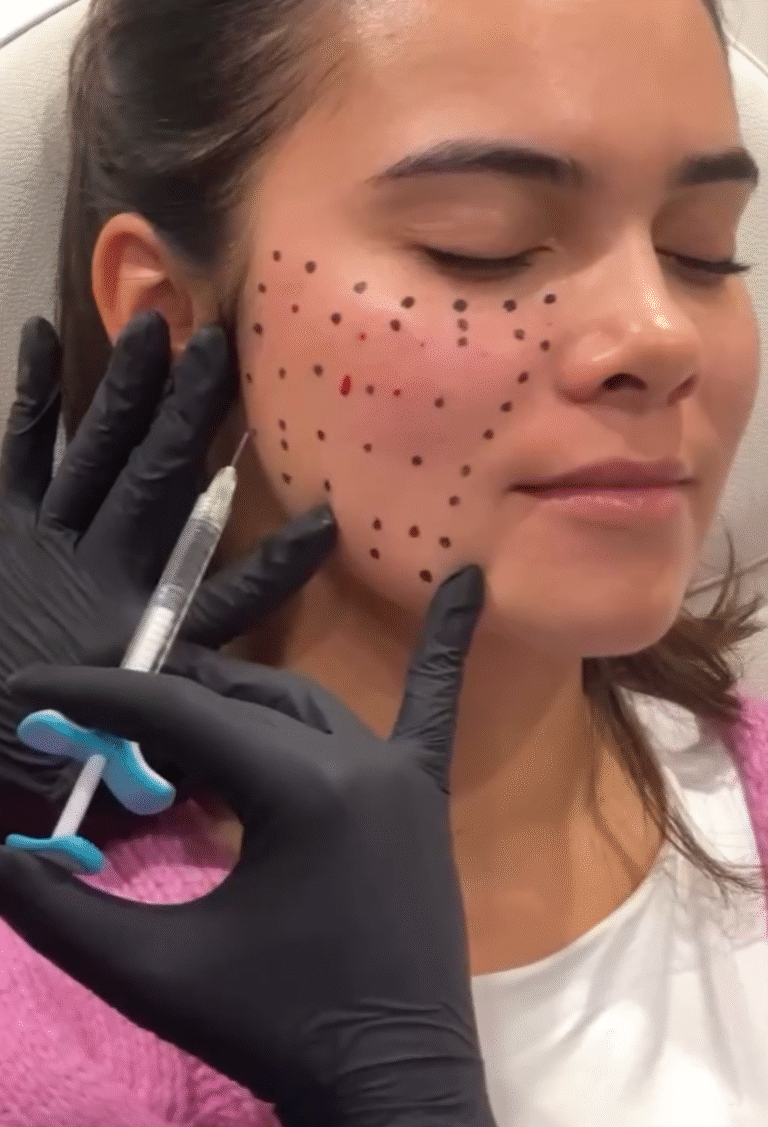
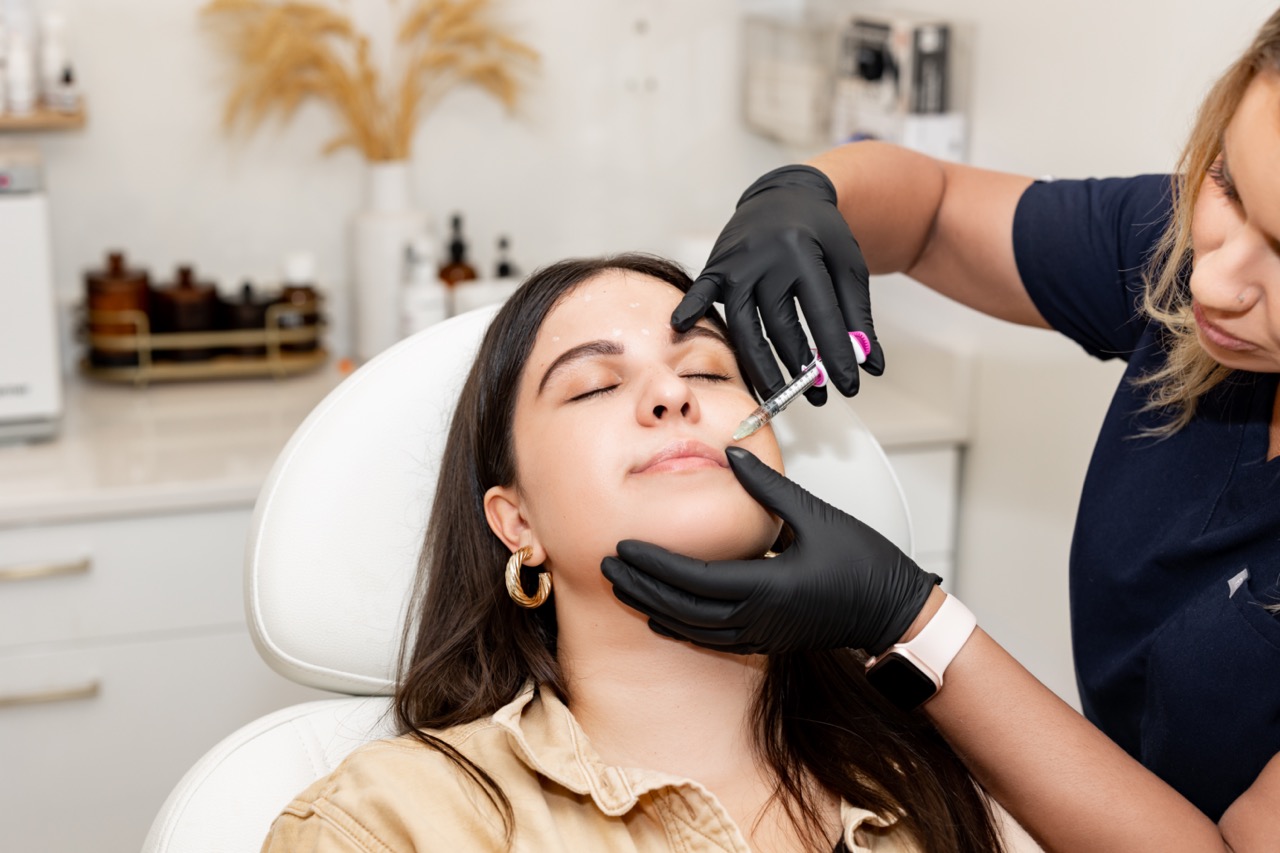
2. Volume. Flattened cheeks, a jawline that has lost definition, and hollows beneath the eyes are the result of fat pad descent and bone remodeling, not loose skin. This is what dermal fillers and Sculptra address. Restoring support in the midface improves everything below it.
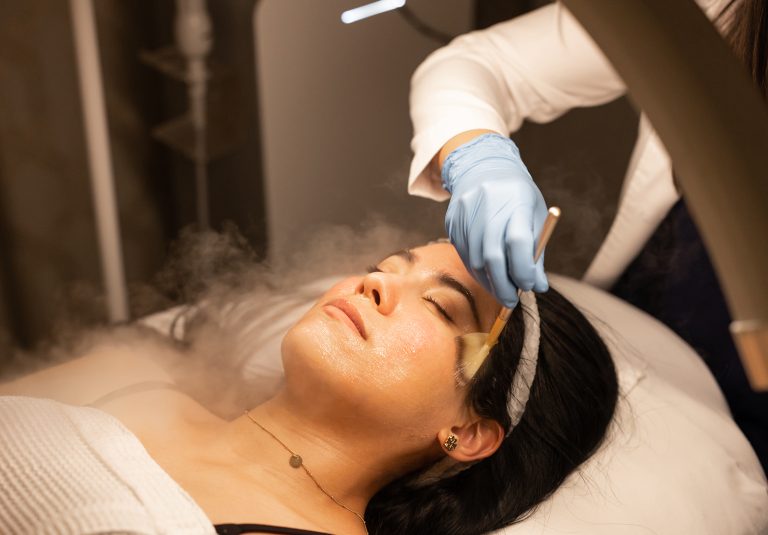
3. Skin quality. Texture, tone, dullness, pigment, pore size, and early crepiness are independent of volume and are frequently the real driver of looking older in photographs. Microneedling with exosomes or PRP and chemical peels with dermaplaning target this category directly. Many patients who arrive asking about filler belong here instead.
How do I know which category I am in?
Two self-assessments narrow it down in under a minute.
The movement test. Make the expression that creates the feature you dislike, then relax the face completely. If the line disappears immediately, the concern is dynamic and responds to neurotoxin.
The lying-down test. Look at your face in a mirror while lying flat, or tilt the head back and look upward. If the face looks noticeably better in that position, volume is redistributing and the concern is volumetric.
If neither test changes much but skin appears dull, uneven, or rough in photographs, the concern is skin quality, and adding volume will not resolve it. For help sorting between the first two, see Botox vs. fillers.
What does a realistic treatment plan look like?
Results that look effortless are built over roughly a year of small, well-spaced decisions rather than one dramatic appointment. A representative sequence:
- Visit one. Treat the single most noticeable concern, usually movement lines or one area of volume loss, conservatively.
- Two weeks later. Reassess once product has fully settled and refine as needed. This appointment is where natural results are made.
- Months two through six. Add skin quality treatments on a regular cadence, since those effects compound over time.
- Ongoing. Maintain rather than overhaul. Small and consistent outperforms dramatic and occasional.
That pacing is also how patients avoid looking overtreated, covered in will filler make me look fake.
Where is the honest limit?
We will always tell you the truth about what is achievable. When a concern is genuinely a skin-removal issue rather than volume or texture, we say so directly rather than sending someone home with a plan that was never going to work. That conversation is far less common than the internet suggests. Most patients who arrive braced to hear that they need something drastic hear something considerably better.
Frequently asked questions
What can a medspa treat without surgery?
Medical spas treat expression lines with neurotoxin, volume loss with dermal fillers and collagen stimulators such as Sculptra, and skin quality concerns with microneedling, exosome therapy, chemical peels, and dermaplaning. Most treatments require no anesthesia and little or no downtime.
Is a medical spa safe for injectables?
Safety depends on who administers the treatment and what medical oversight exists. At Accelerated Aesthetics in Elmhurst, IL, injectable treatments are performed by licensed medical providers under the supervision of our Medical Director.
How many non-surgical procedures are performed each year?
The American Society of Plastic Surgeons reports that minimally invasive cosmetic procedures outnumber cosmetic surgical procedures in the United States by more than ten to one, with botulinum toxin and soft tissue fillers ranking first and second.
Can non-surgical treatment delay bigger decisions later?
Maintaining volume and collagen consistently tends to keep facial changes more gradual over time. It is not a guarantee, but it is a more effective strategy than waiting and attempting to correct changes after they are established.
How long do non-surgical results last?
Neurotoxin results typically last three to four months. Hyaluronic acid fillers last six months to two years depending on product and placement. Skin quality treatments are cumulative and are maintained on an ongoing schedule.
Am I too young or too old for a medspa?
There is no age cutoff in either direction. In the twenties and thirties treatment focuses on prevention and skin quality. Later it shifts toward restoring volume and structure.
What if I do not know what I need?
That is the most common way patients arrive. Bringing the photograph that prompted the concern is genuinely useful, since it lets a provider identify which of the three categories is driving it.
Where can I get non-surgical facial treatments near Elmhurst, IL?
Accelerated Aesthetics is a luxury medical spa at 112 S. York Street in downtown Elmhurst, IL, serving Oak Brook, Hinsdale, Naperville, Downers Grove, Wheaton, and Chicago’s western suburbs. Consultations are complimentary.
Find out before you assume the worst
Before you spend another night pricing things out, get a real read on what is actually happening with your face. Book a free consultation at Accelerated Aesthetics in Elmhurst.
112 S. York Street, Elmhurst, IL 60126
Accelerated Aesthetics is a luxury medical spa in Elmhurst, IL serving Oak Brook, Downers Grove, Naperville, Wheaton, Hinsdale, and all of Chicago’s western suburbs.
Last updated July 2026.