Why Do I Always Look Tired? Under-Eye Circles, Hollows, and What Actually Helps
Quick answer: Under-eye darkness has three separate causes, and each one responds to something different. Pigment sits in the skin and looks brown. Shadowing comes from volume loss beneath the eye and looks blue or purple. Crepiness is a skin quality issue and looks textured. Filler only helps one of the three, which is why treating the wrong cause is the most common reason people end up with puffy or unnatural-looking eyes. At Accelerated Aesthetics, a medical spa in Elmhurst, IL serving greater Chicagoland, our licensed medical providers identify which cause is driving your appearance before recommending anything.
You slept eight hours. You drank water. You are still getting asked if you are feeling okay.
The under-eye area is the thinnest skin on the entire body, roughly a fraction of the thickness of the skin on your cheek, which means everything underneath it shows through. That is also why it is the area people most often treat badly. Let us sort out what is actually happening on your face.
Why do my under-eyes look dark?
Stand in front of a mirror in natural light and tilt your chin up toward the ceiling, then down toward the floor. Watch what happens to the darkness.
- The darkness stays the same regardless of angle, and reads brown or tan. This is pigment. It sits within the skin itself, and it is often genetic, sun related, or left over from rubbing and irritation.
- The darkness deepens when you tilt down and lightens when you tilt up, and reads blue, purple, or gray. This is a shadow. There is a groove where the lower eyelid meets the cheek, and light is falling into it. Nothing is actually dark. Your face has lost support in that spot.
- You see fine lines and a crinkled, tissue-paper texture, especially when you smile. This is crepiness, which is a collagen and skin quality issue rather than a color issue.
Most people have some combination, usually with one dominant cause. Knowing which one leads is the whole game.
Will filler fix my under-eye circles?
Only if your darkness is shadow, and even then, only for some people.
Placing a small amount of hyaluronic acid filler into the hollow beneath the eye restores the support that was lost, which stops light from falling into the groove. When it works, it is one of the most dramatic results in aesthetics, and people around you will not know why you look rested.
Here is the honest part. Under-eye filler is technically an off-label use in the United States, meaning hyaluronic acid fillers are FDA cleared for facial soft tissue augmentation but not specifically for the tear trough. It is a common and widely accepted practice, but it also has the least forgiving margin for error of any injection on the face. The under-eye holds water more readily than other areas, so overfilling shows up as persistent puffiness rather than smoothness. It is also the area where poor technique is most visible.
Which is why the answer is sometimes no. Patients with significant fluid retention, thin skin with visible vessels, or true fat pad protrusion are often better served by something other than filler, and a provider who tells you that is doing their job. If the fear of an overdone result is what has kept you away in general, our piece on whether filler will make you look fake covers how conservative dosing prevents it.
There is also a structural point worth understanding. Under-eye hollowing frequently starts in the cheek rather than the eye. When the midface loses volume, the whole area beneath it drops and the groove deepens. Supporting the cheek often softens the under-eye without touching it at all, and it looks more natural because it is correcting the actual source.
What works for under-eye pigment?
If your darkness is brown and does not change with light, filler will do nothing for it. Pigment responds to treatments that work on the skin itself:
- Daily broad-spectrum SPF. Unglamorous and non-negotiable. Research comparing identical twins has attributed the majority of visible facial aging to sun exposure rather than genetics, and pigment is the most sun-responsive concern there is.
- Targeted brightening ingredients. Vitamin C, niacinamide, azelaic acid, and tranexamic acid all work on the pigment pathway through different mechanisms.
- Gentle professional treatment. A chemical peel selected and dosed for the delicate eye area accelerates turnover of pigmented cells.
- Stopping the rubbing. Chronic friction from allergies or makeup removal drives pigment production. If you have seasonal allergies, treating them is a legitimate skincare intervention.
Pigment is a patience treatment. Expect meaningful change over three to six months, not three to six days.
What helps crepey, thin under-eye skin?
Crepiness means the collagen scaffolding underneath has thinned. Adding volume to thin skin makes it look worse, not better, because filler pushes against a surface with nothing to hold it smooth. The skin has to be rebuilt first.
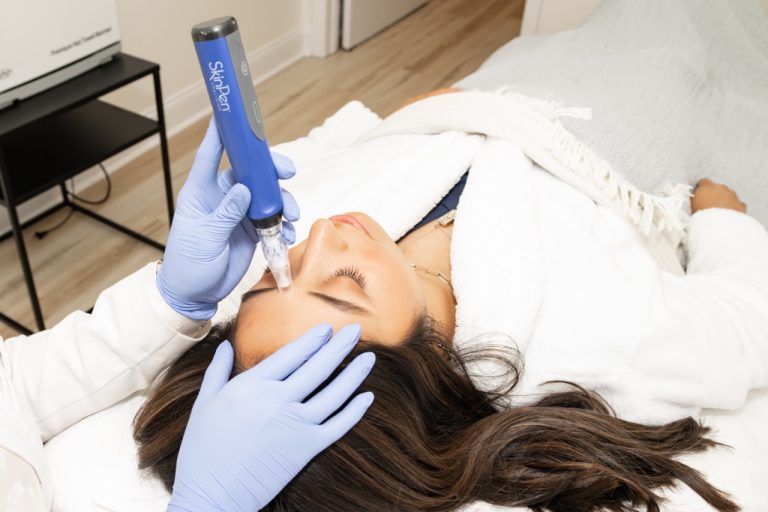
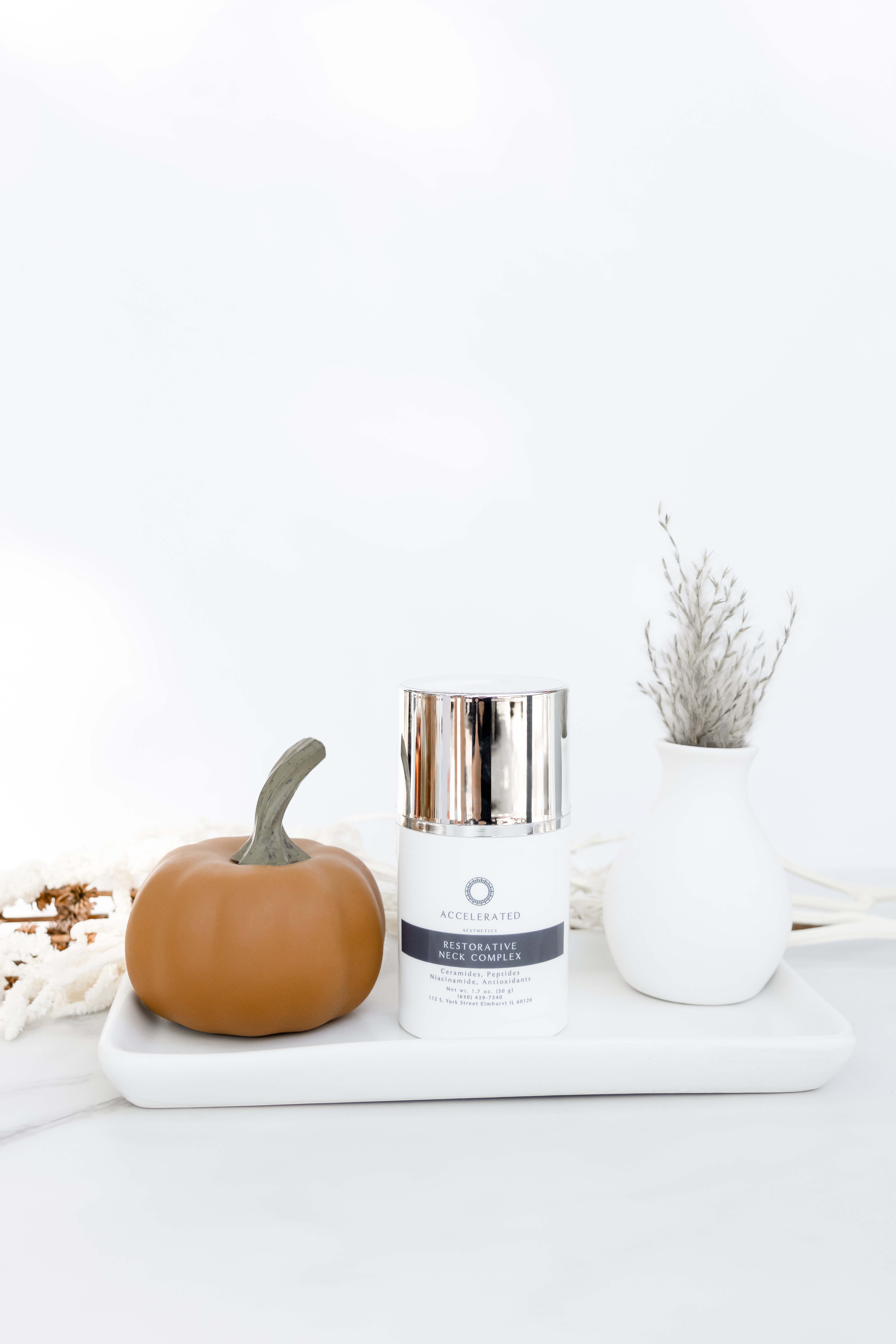
- Collagen induction. Microneedling with exosomes or PRP creates controlled micro-injury that prompts your own collagen production, and it can be performed carefully in the periorbital area.
- Consistent retinoid use. Started low and slow, because this area is easily irritated.
- Neurotoxin, used lightly. Softening the muscle that crinkles the outer eye reduces the repeated folding that etches lines in. Dosed conservatively so the eyes still smile. Our guide to when to start Botox explains how that timing decision gets made.
Do eye creams actually do anything?
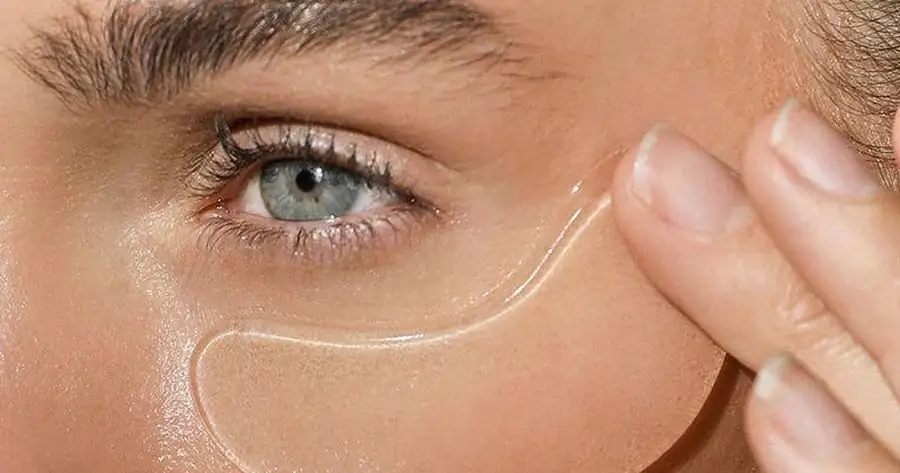
Yes, within limits, and the limits matter. A good eye cream hydrates thin skin so it reflects light better, delivers active ingredients that genuinely affect pigment, and supports the skin barrier so the area is less reactive. Caffeine-containing formulas temporarily reduce mild puffiness by constricting vessels.
What no cream can do is replace lost volume. If your issue is a structural groove, topical products will improve the skin covering the groove while the groove remains exactly where it was. That is not a product failure. It is a mismatch between the treatment and the cause, which is the theme of this entire article.
The one we keep on the shelf: RX Repair Eye Cream
If you have read this far and landed on pigment or crepiness rather than shadow, this is where a cream earns its place. Our RX Repair Eye Cream is formulated specifically for the thin skin around the eye, so it works on tone, hydration, and fine lines without the irritation that sends most people back to plain moisturizer.

Use it morning and night, patted rather than rubbed, and give it a full three months before you judge it. Pair it with daily SPF and you have covered the two things that actually move under-eye pigment. We ship anywhere, and you can pick it up in Elmhurst if you are local. Shop RX Repair Eye Cream.
Frequently asked questions about under-eye treatment
What causes dark circles under the eyes?
Three distinct causes. Pigment within the skin, which appears brown and does not shift with lighting. Shadowing from volume loss under the eye, which appears blue or purple and deepens when you tilt your chin down. Crepey, thinning skin that scatters light. Fluid retention, allergies, and genetics can contribute to all three.
How long does under-eye filler last?
Hyaluronic acid filler in the under-eye area commonly lasts nine to eighteen months, and often longer than filler in mobile areas like the lips because there is far less movement to break it down.
Can under-eye filler be dissolved?
Yes. Hyaluronic acid fillers can be reversed with an enzyme called hyaluronidase, which breaks the product down within days. This is one of the reasons hyaluronic acid is the preferred product class for this area.
Why do my under-eyes look puffy after filler?
Usually because too much product was placed, or because it was placed too superficially in skin that holds water. Some swelling in the first two weeks is normal and resolves. Puffiness that persists past a month is typically a product issue and can be corrected by dissolving.
What is the best eye cream for dark circles?
The best formula depends on the cause. For pigment and fine lines, look for brightening actives and a texture rich enough for thin periorbital skin, which is what our RX Repair Eye Cream is built around. No cream addresses structural hollowing, so if your darkness is shadow rather than pigment, a cream will improve the skin without changing the groove.
Does drinking more water help dark circles?
Mild dehydration makes hollows look slightly deeper, so hydration helps at the margins. It will not resolve pigment or structural volume loss.
Is under-eye filler safe?
When performed by an experienced, appropriately trained injector using hyaluronic acid product, it has a well-established safety profile. The under-eye sits near significant vasculature, so provider selection matters more here than almost anywhere else on the face.
Can anything fix under-eye bags without surgery?
It depends on what is creating the bag. Volume loss above and below a fat pad often creates the illusion of a bag, and supporting the surrounding areas can smooth the transition considerably. True protruding fat pads are a surgical concern and are outside what a medical spa treats, which a good provider will tell you at consultation rather than selling you filler anyway.
What does under-eye treatment cost in the Chicago area?
Pricing depends entirely on which cause is being treated, since a peel series, a microneedling package, and filler are very different investments. Consultations at Accelerated Aesthetics are complimentary and include a specific plan with pricing before you commit to anything.
Where can I get under-eye treatment in Elmhurst or the Chicago area?
Accelerated Aesthetics is a medical spa at 112 S. York Street in downtown Elmhurst, IL, roughly 20 minutes west of downtown Chicago and within easy reach of most of Chicagoland. Patients travel to us from Oak Brook, Hinsdale, Downers Grove, Naperville, Wheaton, Lombard, Glen Ellyn, La Grange, Western Springs, Oak Park, Berwyn, Schaumburg, Arlington Heights, Park Ridge, and the city of Chicago itself, along with communities throughout DuPage, Cook, Kane, and Will Counties. Injectable treatments are performed by licensed medical providers under the supervision of our Medical Director.
Find out which one you have.
Ten minutes in good lighting with someone who treats this area regularly will tell you more than another year of eye creams. Book a free consultation and get an actual answer.
112 S. York Street, Elmhurst, IL 60126
Accelerated Aesthetics is a medical spa in downtown Elmhurst, IL, serving greater Chicagoland: the city of Chicago, the western and northwest suburbs, and communities throughout DuPage, Cook, Kane, and Will Counties.
Last updated August 2026.