Healthy Aging Month: What Actually Preserves Collagen, and What Just Sounds Like It Does
Quick answer: Adults lose roughly one percent of their dermal collagen per year beginning in their mid-twenties, and the decline accelerates around menopause. Four things have real evidence behind them for slowing or partially reversing it: daily sun protection, a topical retinoid, controlled-injury treatments like microneedling that trigger your own collagen production, and collagen-stimulating injectables such as Sculptra. Oral collagen supplements have weaker and more mixed evidence than their marketing suggests. At Accelerated Aesthetics, a medical spa in Elmhurst, IL serving greater Chicagoland, we build collagen plans around the first four and stay honest about the rest.
September is Healthy Aging Month, which in our industry usually means a lot of posts about “collagen banking” with very little explanation of what that actually means or whether it works.
So here is the honest version, including the parts that are less flattering to sell.
How fast do you actually lose collagen?
The figure most often cited in dermatology literature is a decline of approximately one percent of dermal collagen per year, beginning somewhere in the mid-twenties. It is a slow, linear drift for most of adult life, which is why nothing looks different at 28 and quite a lot looks different at 45.
Two things speed it up considerably.
The first is UV exposure. The Skin Cancer Foundation attributes up to 90 percent of visible skin aging to sun rather than chronology, and the mechanism is direct: UV activates enzymes that break down existing collagen while also impairing new synthesis. You are not only losing collagen with time, you are actively degrading it every unprotected afternoon.
The second is the menopausal transition. Research has documented a disproportionate loss of skin collagen in the first several years after menopause, considerably faster than the background rate. If your skin changed noticeably and fast in your late forties or fifties and you felt like you were imagining it, you were not.
What is collagen banking, and is it real?
Collagen banking is the idea that treatments done in your twenties and thirties build a reserve you draw on later.
The framing is a little oversold, because collagen is not stored in a vault you withdraw from. What is true, and genuinely useful, is that it is easier to maintain a structure than to rebuild one. Stimulating collagen in skin that still has good baseline architecture produces better results per treatment than trying to reconstruct significant loss later. Starting earlier also means smaller, less frequent interventions rather than dramatic ones.
So the underlying advice is sound even though the metaphor is loose. What it does not mean is that a 25-year-old needs a full treatment plan. For most people in their twenties, sunscreen and a retinoid is the entire correct answer, and any provider telling you otherwise is selling rather than advising. Our treatment roadmap by concern lays out where the actual starting line is.
What has real evidence behind it?
Daily broad-spectrum sunscreen. The single highest-leverage thing on this page, and the one most people treat as optional in October. It does not just prevent new damage, it removes the ongoing degradation pressure so your own repair processes can keep up.
A topical retinoid. Retinoids are among the most extensively studied topical compounds in dermatology, with decades of evidence for increasing dermal collagen and improving photoaging. This is the one at-home active that changes skin structurally rather than cosmetically.
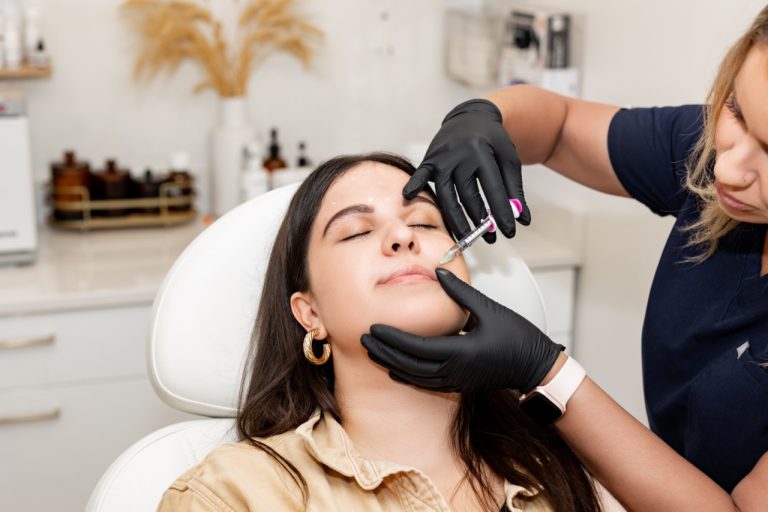
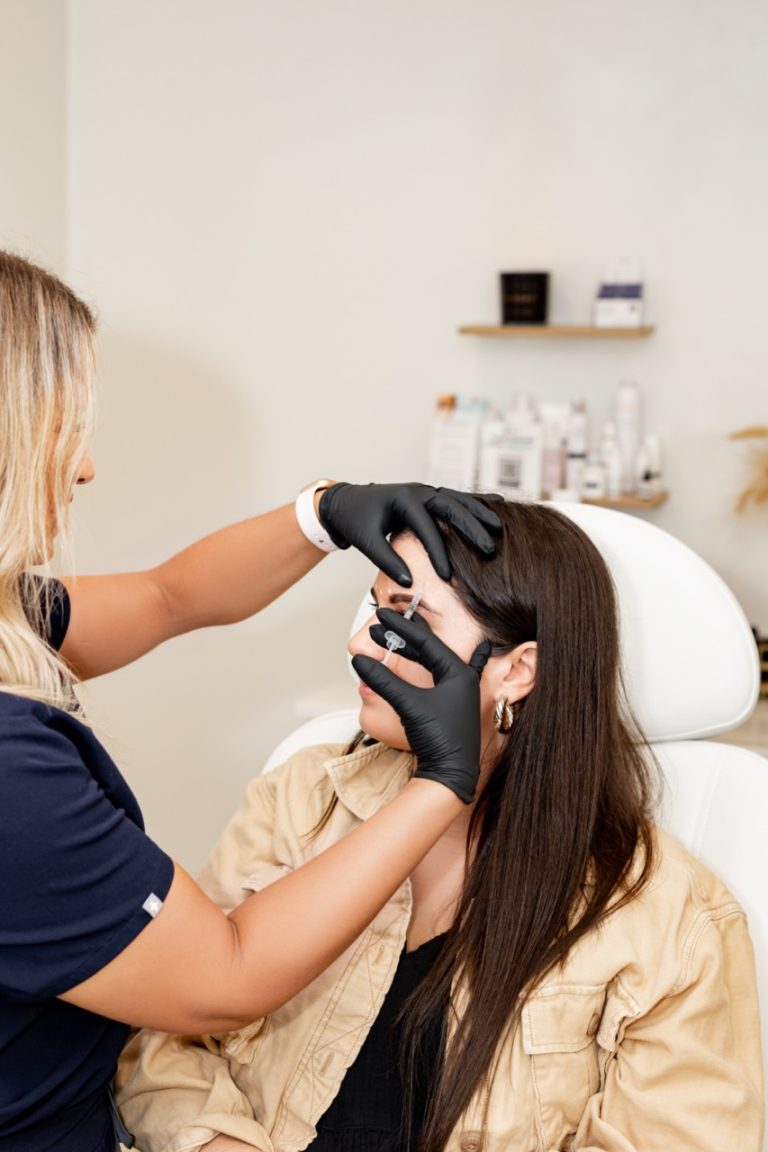
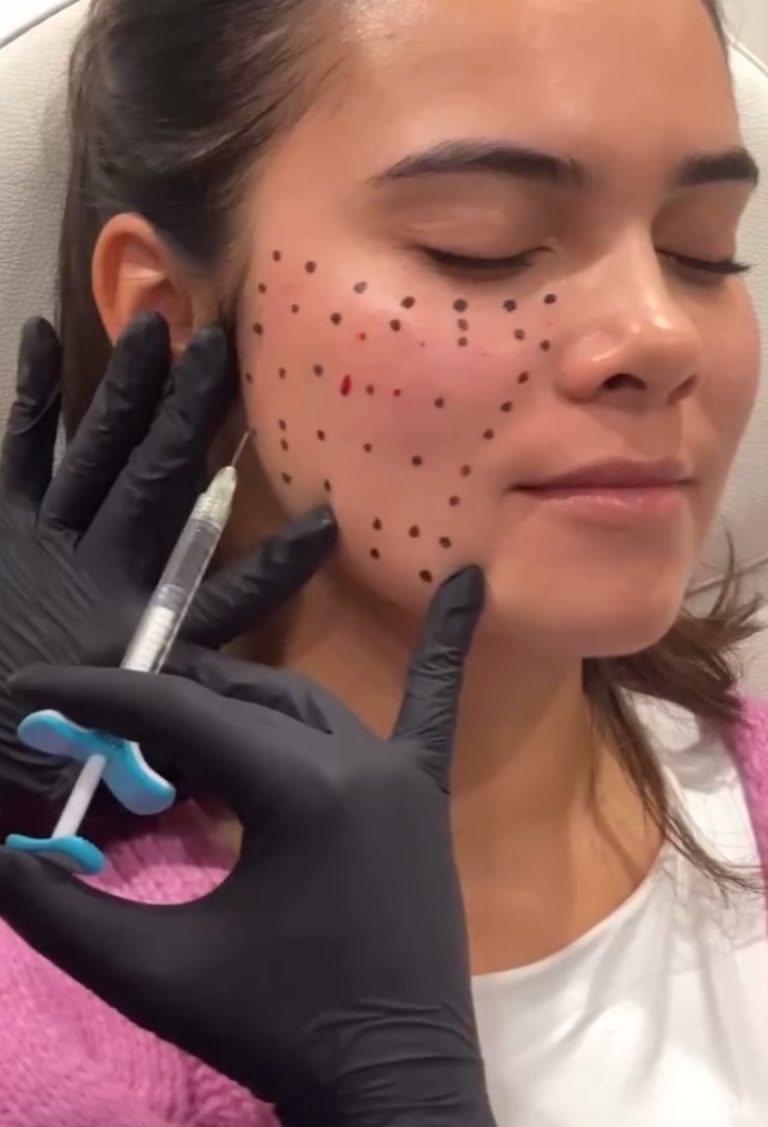
Controlled-injury collagen induction. Microneedling with exosomes or PRP creates thousands of microscopic wounds that trigger a genuine wound-healing cascade, and new collagen continues forming for months after the session. This is why a series finished in September is still improving at Christmas.
Collagen-stimulating injectables. Sculptra works differently from hyaluronic acid filler. Rather than adding volume directly, it prompts your own collagen production gradually over several months. It is the slowest option on this list and, for the right candidate, the most natural-looking.
What about collagen supplements?
This is the part people do not enjoy hearing.
Ingested collagen is broken down into amino acids during digestion like any other protein. It is not routed to your face. Some studies do report modest improvements in skin hydration and elasticity with collagen peptide supplementation, and the proposed mechanism involves signaling peptides rather than direct delivery. But many of these trials are small, short, and funded by supplement manufacturers, which is a meaningful caveat.
Our position: if you enjoy it and it fits your budget, there is no harm in it. Just do not let it substitute for sunscreen and a retinoid, which is where the actual evidence lives.
What should I be using at home?
Three products cover the topical side of collagen preservation.

- A retinoid, nightly. Advanced WRI-LAX 5x ($125) in 2.5% or 5%. Start at the lower strength and twice weekly.
- SPF every morning. Total Defense Repair Cream + SPF 50 ($53), which folds antioxidant protection into the same step.
- Do not skip the neck. The neck and chest have thinner skin, fewer oil glands, and almost always show age before the face does. Our Restorative Neck Complex ($197) is built for that specific tissue.

Frequently asked questions about collagen and healthy aging
At what age do you start losing collagen?
Dermal collagen begins declining at roughly one percent per year starting in the mid-twenties. The rate accelerates significantly during and after the menopausal transition.
Do collagen supplements actually work?
Evidence is mixed. Ingested collagen is digested into amino acids rather than delivered to skin, though some studies report modest hydration and elasticity improvements from collagen peptides. Many of those trials are small and industry-funded. Topical retinoids and in-office collagen stimulation have far stronger evidence.
What is collagen banking?
The practice of stimulating collagen production earlier in life, while skin structure is still strong, rather than waiting to rebuild after significant loss. The reasoning is sound even though collagen is not literally stored for later use.
Does microneedling really build collagen?
Yes. Controlled micro-injury triggers a wound-healing response that produces new collagen, and remodeling continues for several months after treatment. Results build across a series rather than appearing after one session.
What is the difference between Sculptra and filler?
Hyaluronic acid filler adds volume immediately and is reversible. Sculptra stimulates your own collagen production gradually over months, so results appear slowly and are not reversible in the same way.
Is it too late to start if I am in my fifties or sixties?
No. Collagen stimulation works at every age, and the relative improvement is often more visible when there is more to gain. Expectations and timelines shift, not the underlying biology.
What is the best treatment for skin laxity?
It depends on how much laxity there is. Collagen stimulation improves skin quality and mild sagging. Significant laxity is a surgical concern that falls outside what a medical spa treats, and a good provider will tell you that rather than selling a series that cannot deliver.
What does collagen treatment cost in the Chicago area?
It varies by approach, since a microneedling series and a Sculptra plan are different investments. Consultations at Accelerated Aesthetics are complimentary and include specific pricing before you commit.
Where can I get collagen-stimulating treatments in Elmhurst or the Chicago area?
Accelerated Aesthetics is a medical spa at 112 S. York Street in downtown Elmhurst, IL, roughly 20 minutes west of downtown Chicago and within easy reach of most of Chicagoland. Patients travel to us from Oak Brook, Hinsdale, Downers Grove, Naperville, Wheaton, Lombard, Glen Ellyn, La Grange, Western Springs, Oak Park, Berwyn, Schaumburg, Arlington Heights, Park Ridge, and the city of Chicago itself, along with communities throughout DuPage, Cook, Kane, and Will Counties. Treatments are performed by licensed professionals under the supervision of our Medical Director.
Start where the evidence is.
Come in and we will tell you which of the four actually applies to your skin right now, and which ones you can skip for another five years. Consultations are complimentary.
112 S. York Street, Elmhurst, IL 60126
Accelerated Aesthetics is a medical spa in downtown Elmhurst, IL, serving greater Chicagoland: the city of Chicago, the western and northwest suburbs, and communities throughout DuPage, Cook, Kane, and Will Counties.
Last updated September 2026.